Jewish genealogy in Portland
Understand the Stories Behind Your Family
Careful research can connect family knowledge with historical records and help you see what the evidence reveals.
Research for Your Family Story
Explore Jewish ancestry through focused research, historical records, and clear guidance on what the evidence can reveal.
Family History Research
Build a documented picture of your Jewish family’s past using records and historical sources.
Immigration Research
Trace migration routes and look for records tied to an ancestor’s arrival and departure.
European Ancestry Research
Investigate family origins in Europe through historical records and changing place names.
Holocaust Era Research
Search relevant archival sources to learn more about family experiences during the Holocaust era.
Jewish Name Research
Explore surname spellings, transliterations, and naming patterns across records.
Research Consultation
Get help shaping a research question and deciding which records to pursue.
Common Questions
What information should I gather before starting?
Bring names, approximate dates, known locations, family documents, photographs, and stories from relatives. You do not need a complete family tree. Even a few details can help identify promising records and shape the first research questions.
Can you research relatives who lived outside the United States?
Jewish family research often crosses national borders. The records available depend on the location, time period, language, and preservation history. A project can examine relevant overseas sources and explain where access or documentation is limited.
What if family names were changed or spelled differently?
Names may appear in multiple spellings because of transliteration, language, clerical practices, or later changes. Research can compare variations alongside dates, places, and family relationships rather than relying on one spelling alone.
How do you share research findings?
Findings can be presented in a clear written summary with supporting record details and source references. The format depends on the project and the available evidence, with uncertainties and suggested next steps noted plainly.
Can you continue research I have already started?
Yes. Existing family trees, notes, records, and unanswered questions can provide a useful foundation. Reviewing what you have already found helps identify gaps, assess sources, and focus the next stage of research.
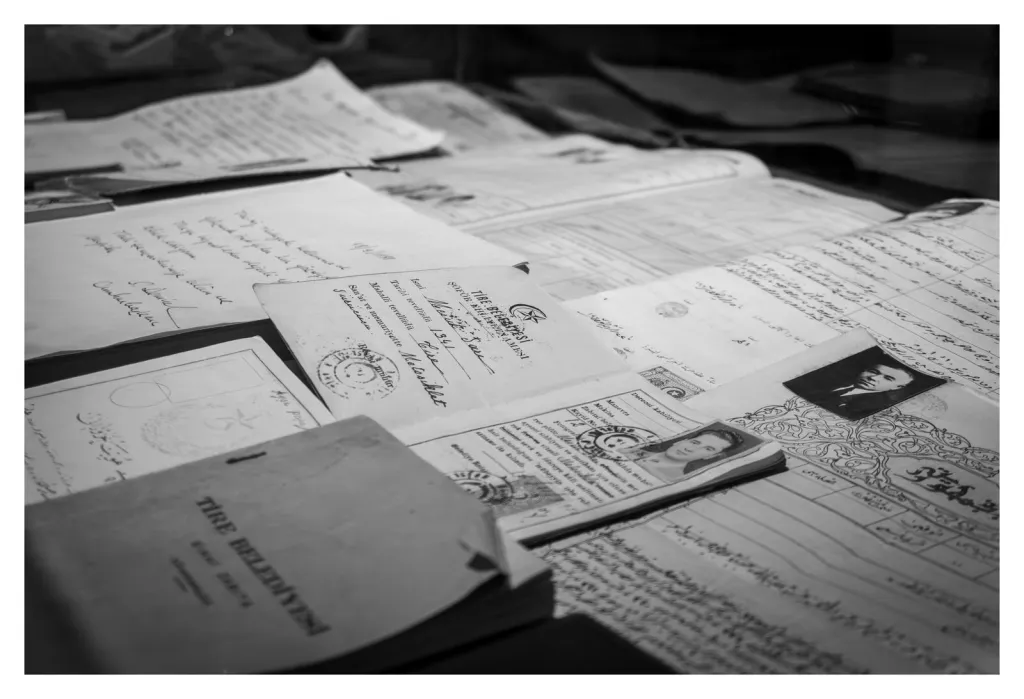
Family History, Carefully Researched
Jewish family history can lead through changing borders, languages, and spellings. A careful search brings together records and family knowledge to build a clearer picture of the people and places behind your story. Research can begin with a name, a document, or a question that has stayed with your family.
Based in Portland, Oregon, Rose City Roots helps clients explore Jewish genealogy with patience and care. Each project follows the available evidence, explains what records can and cannot show, and shares findings in a clear way. Whether you are taking a first step or following a specific family line, the process starts with what you already know.
A Careful Research Process
1
Share What You Know
Describe your family question and share names, places, dates, or documents you already have.
2
Set a Research Focus
Choose a clear question and identify likely records, locations, and spelling variations to investigate.
3
Review the Evidence
Compare relevant sources and track what they support, including gaps and uncertainties.
4
Receive Your Findings
Get an organized summary with source notes and practical suggestions for further research.
Take the Next Step in Your Search
Share what you know about your family, and discuss a thoughtful starting point for research.